



Sudan
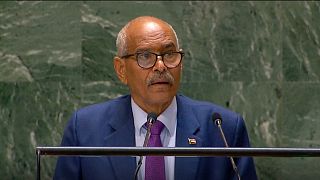
On Wednesday afternoon, the UN Security Council discussed the current humanitarian crisis in Sudan, More than 16 months of war.
UN Assistant Secretary-General for Africa Martha Ama Akyaa Pobee said, “The current wave of fighting marks the latest chapter of violence in El Fasher and occurs amidst a months-long siege and attack on the city at the hands of the Rapid Support Forces."
Martha Ama Akyaa Pobee also said, "this has caused appalling levels of suffering for the civilian population, including famine conditions in Zamzam camp south of El Fasher, among other locations.”
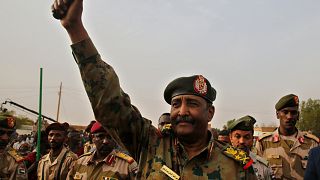
Sudan was plunged into chaos in April last year when simmering tensions between the military and a powerful paramilitary group, the Rapid Support Forces, exploded into open warfare across the country.
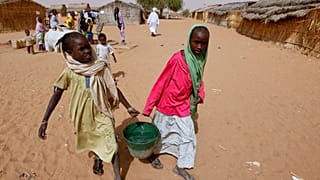
The conflict has turned the capital, Khartoum, and other urban areas into battlefields, wrecking civilian infrastructure and an already battered health care system. Without the basics, many hospitals and medical facilities have closed their doors.
The country, which has gone through the shocks of civil war and climate change is in need of humanitarian aid with an estimated 9 million people — 73% of the country’s population — projected to be in need of humanitarian assistance during 2024, according to the 2024 UN Humanitarian Needs Overview for South Sudan.


01:01
UN warns Islamic State threat growing, situation urgent in West Africa, Sahel
01:14
UN to deploy ceasefire monitoring mission to eastern DR Congo
01:19
United Nations renews political mission in Haiti for another year
01:42
United Nations and IOC calls for pause in wars during Winter Olympics
Go to video
DRC: Kinshasa and UN launch humanitarian response plan
01:41
Mozambique expects death toll to rise as search for flood survivors continues